Share Agent Blog
12 May 2026
Does Insurance Cover Borrowed Vehicles? What You Should Know Before Handing Over the Keys
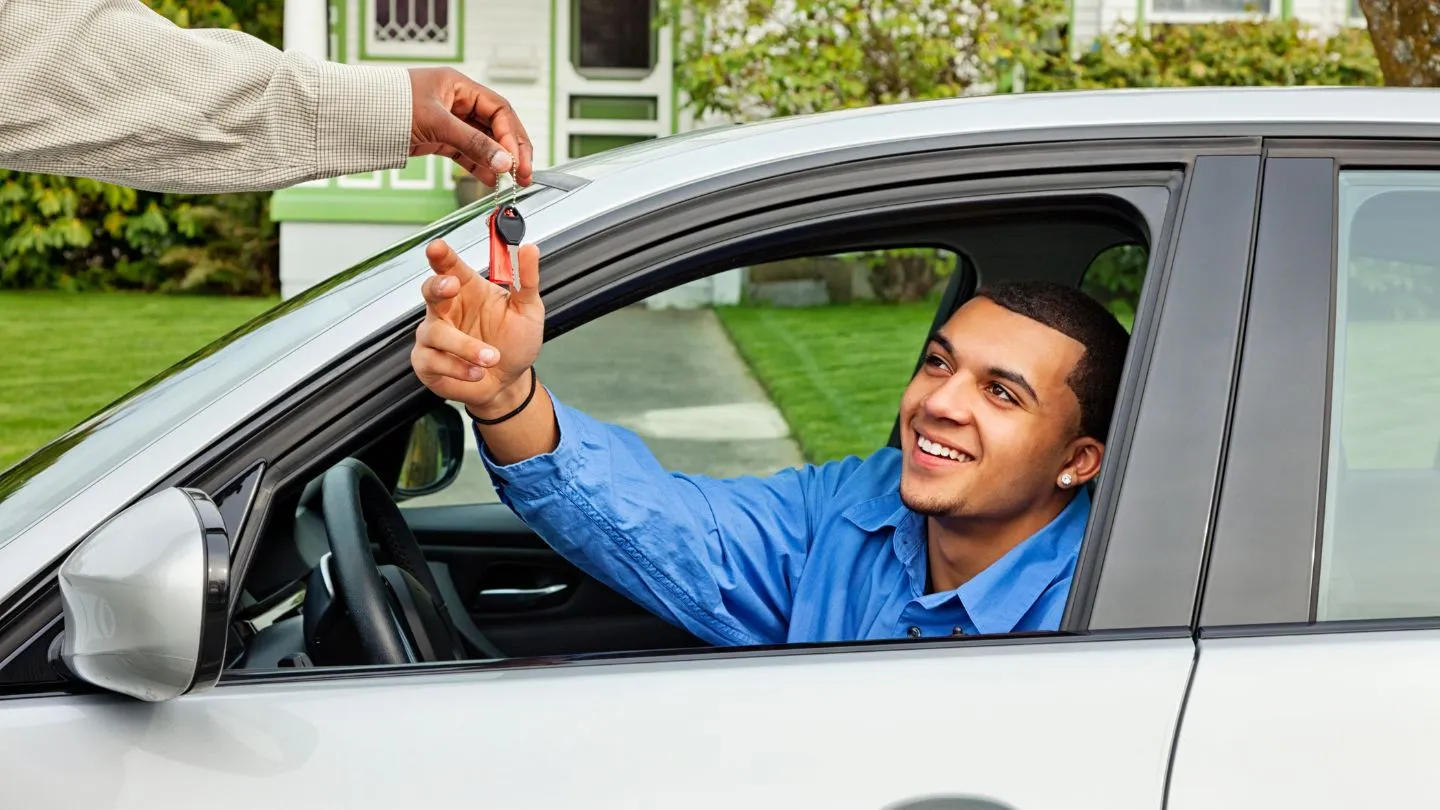
At some point, most of us have either borrowed someone's car or let someone borrow ours. It's one of those things that feels completely routine: a friend needs a ride to the airport, your sibling's car is in the shop, or you're visiting family and need to run to the store. You grab the keys, drive off, and don't think twice about it.
Then something goes wrong.
The question of who pays, and how much, after an accident in a borrowed vehicle is messier than most people expect. And the assumption that "insurance covers it" isn't always accurate.
So, Does Insurance Follow the Car or the Driver?
This is the question almost everyone gets wrong, and honestly, the answer isn't as clean as anyone would like.
Generally speaking, insurance follows the car first. That means if you're driving someone else's vehicle and get into an accident, their policy is typically what kicks in first, as long as they gave you permission to use it.
But here's where it gets more complicated: if the damages exceed what their policy covers, your own auto insurance may step in as secondary coverage to help fill the gap.
A simple example: the owner's policy covers up to $50,000 in damages, but the accident results in $75,000 worth. Your insurance might cover the remaining $25,000, depending on how your policy is written. Not every policy works the same way, which is why it's worth knowing your own coverage before you ever need it.
It's also worth noting that how these rules play out can differ depending on where you live. According to the Insurance Information Institute, liability coverage requirements vary nationwide, which means borrowed vehicle claims aren't handled the same way in every state.
The Concept That Actually Matters: Permissive Use
If you've never heard the term "permissive use" before, it's worth understanding. In short, it means the vehicle owner gave you permission to drive the car. That permission, even if it was just a casual "sure, go ahead," is what activates coverage under their policy.
Most standard auto insurance policies extend liability, collision, and comprehensive coverage to drivers who have the owner's permission. That covers a lot of common situations:
Borrowing a friend's truck to help move furniture
Using a family member's car while yours is being repaired
Driving a neighbor's vehicle as a one-time favor
Permission can be verbal, but if there's ever a dispute after an accident, the insurance company will investigate. It's not a bad idea to confirm things clearly with the owner before driving off.
When Coverage Gets Complicated (or Disappears Entirely)
The permissive use rule sounds simple enough, but there are several situations where it breaks down fast.
No permission at all. If you took the vehicle without the owner's knowledge or consent, don't expect their insurance to cover it. Unauthorized use typically voids coverage completely.
You're specifically excluded from the policy. Some insurers may require certain high-risk drivers, ,such as those with a history of accidents or DUIs, to be formally excluded from a policy. If you're on that exclusion list and you borrow the car, you're driving without coverage. Full stop.
Commercial or business use. Personal auto policies are built for personal driving. If you borrow someone's car to make deliveries, drive for a rideshare platform, or handle any kind of work-related transportation, that use typically falls outside what their policy covers.
Long-term borrowing. There's a meaningful difference between borrowing a car for a weekend and using it for three months. Insurers may treat extended use as a situation where the borrower should be listed on the policy. If you're regularly driving someone else's vehicle, it's worth a conversation with their insurer.
No valid license. If your license is suspended or you're unlicensed, coverage may be denied. This seems obvious, but it's worth saying plainly.
What Actually Happens After an Accident
If you borrow a car and get into a crash, here's the rough order of events:
The vehicle owner's insurance pays first (assuming you had permission)
Your own insurance may apply if the owner's limits aren't enough
If both policies are exhausted and costs remain, you could be personally on the hook
That last point is the one people underestimate. Serious accidents can result in medical bills, lawsuits, and property damage that far exceed standard policy limits. Both the owner and the borrower can face real financial exposure.
There's also the matter of deductibles. If the owner has collision coverage and the car gets damaged, it's usually the owner's deductible that applies, even though you were the one driving. That can create an awkward situation between friends or family members. It's a good idea to talk through this stuff before borrowing, not after.
And yes, claims involving borrowed vehicles can affect insurance rates for both parties. Even if you caused the accident in someone else's car, their insurer may factor that claim history into future premiums.
Renting vs. Borrowing: Not the Same Thing
People sometimes assume rental cars and borrowed cars work the same way with insurance. They don't, really.
When you rent a car, you're entering into a separate agreement with a rental company. Your personal auto policy may extend some coverage to rentals, and certain credit cards offer rental protection when you pay with the card. The rental company also offers its own products, such as collision damage waivers, supplemental liability, and so on. Whether you need those extras depends entirely on what your own policy covers.
Borrowed vehicles don't come with any of that infrastructure. You're relying entirely on the overlap between the owner's policy and your own.
A Note on Household Members
Insurance companies pay close attention to who lives under the same roof. If you share a household with someone, insurers generally expect regular drivers to be listed on the policy, or at least disclosed.
This matters especially for families with teen drivers or situations where multiple adults share vehicles regularly. Failing to disclose regular drivers in a household can create serious complications at claim time, and some insurers will specifically exclude household members who weren't listed.
If someone in your household drives your car often, even occasionally, it's worth a conversation with your agent about whether they should be on the policy.
Common Assumptions That Can Cost You
"My insurance covers any car I drive."
Partially true, sometimes. Many policies extend limited protection to non-owned vehicles, but the scope varies widely, and exclusions may apply.
"The owner's insurance will handle everything."
It handles what it covers, up to its limits. Major accidents can generate costs that blow past those limits quickly.
"Borrowing a car won't affect my rates."
It can. If your insurance gets involved, even as secondary coverage, the claim activity may show up on your record.
If You Borrow Cars Frequently
If you don't own a vehicle but regularly drive borrowed cars, non-owner car insurance might be worth looking into. It's a relatively affordable way to add liability protection when you're behind the wheel of someone else's car. It won't cover the vehicle itself, but it can protect you from the financial fallout of an at-fault accident.
More broadly, if you're borrowing someone's car, it's not overkill to ask a few basic questions first:
Is the car currently insured?
What are the coverage limits?
Am I excluded from the policy for any reason?
Who pays the deductible if something happens?
These conversations feel awkward, but they're a lot less awkward than figuring it out after a crash.
The Bottom Line
Borrowed vehicle insurance isn't a lost cause; in most straightforward situations, coverage does exist through the owner's policy. But the gaps are real, and the scenarios where things go sideways are more common than people think.
The best time to understand your coverage is before you need it. If you're not sure how your current policy handles non-owned vehicles, or if you lend your car out regularly and want to understand the risks, talking to an insurance professional is a good use of an hour.
If you'd like to compare coverage options or find someone who can walk you through the specifics for your state, visit IA Near Me to connect with experienced local insurance agents who know the fine print, and can help you make sure you're not caught off guard before you ever need to file a claim.
Frequently Asked Questions
Does car insurance follow the car or the driver?
In most cases, it follows the car first. The owner's policy is typically primary, and the driver's own insurance can step in as secondary coverage if the owner's limits aren't enough.
What happens if I crash a borrowed car?
The owner's policy usually pays first, assuming you had permission to drive. If costs exceed their limits, your own insurance may get involved. Depending on the situation, you could face personal liability for anything beyond what both policies cover.
Should I get non-owner car insurance?
If you borrow vehicles regularly but don't own a car yourself, it's probably worth it. Non-owner policies offer liability protection when driving someone else's vehicle and tend to be fairly affordable.