Share Agent Blog
05 Oct 2026
Does Homeowners Insurance Cover Wildfire Damage?
Wildfires don't send a scheduled alert. They show up when it's dry, windy, and everyone's least ready. For homeowners in fire-prone areas (and, increasingly, in places that never used to worry about it), the question isn't just "Will my home be okay?" It's "If it isn't, who pays?"
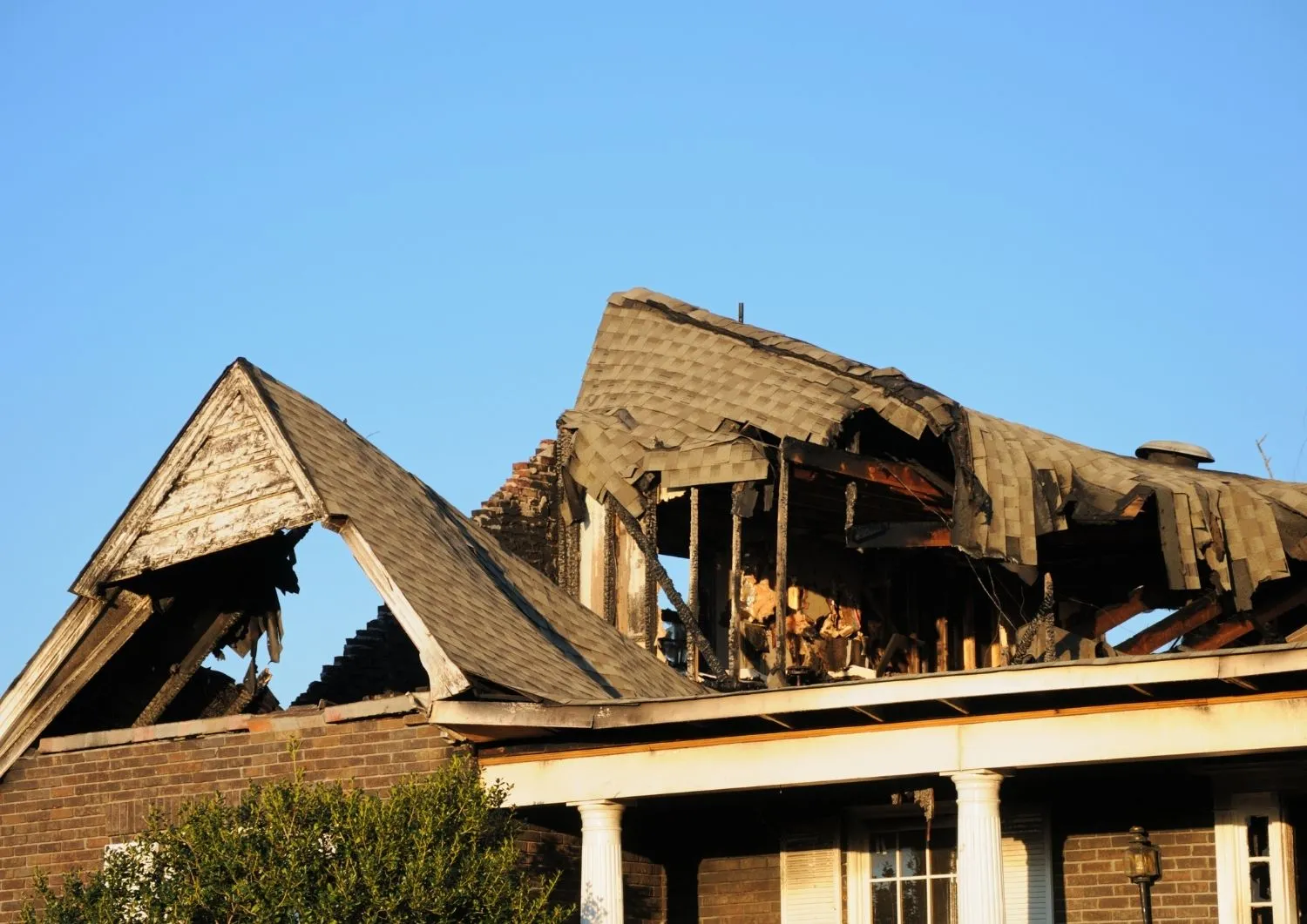
The scale of the problem is real. The Insurance Information Institute reports that 64,897 wildfires burned nearly 8.9 million acres across the U.S. in 2024, a big jump from the year before. Fire can take a roof, a kitchen, a garage, a lifetime of photos, and the beloved mug you only use on Sundays. Smoke can ruin things that never saw a flame.
Here's the good news. Most standard policies cover fire. The less fun news is that the details (limits, deductibles, exclusions, and local underwriting rules) can make a very big difference. So let's walk through what you actually need to know about homeowners insurance wildfire coverage, ideally before you need it.
Is Wildfire Damage Covered Under a Standard Homeowners Policy?
In most cases, yes. A standard homeowners policy generally covers fire as a named or listed cause of loss, and a wildfire is still fire. Insurers typically don't treat it as a separate category in the way they do with floods or earthquakes. If you've ever asked, "does homeowners insurance cover wildfires?", the short answer is that it usually does, subject to your policy's terms.
The longer answer is where the real homework lives.
What Wildfire Damage May Be Covered
Think of your policy as a set of buckets, each having its own limit.
The home itself. Dwelling coverage typically pays to repair or rebuild the structure if fire damages it. That includes the walls, roof, floors, built-in appliances, and attached features like a garage or deck.
Other structures. Detached garages, sheds, fences, and guest houses usually fall under "other structures" coverage. This bucket is often smaller than the dwelling limit, commonly a percentage of it, so a big workshop or a long stretch of fencing could stretch it thin.
Your belongings. Personal property coverage helps replace furniture, clothes, electronics, and other items damaged or destroyed by fire. Depending on the policy, you may be paid actual cash value (what the item is worth today, after depreciation) or replacement cost (what it costs to buy a new one). Your five-year-old couch will not be valued like a brand-new one unless you have replacement cost coverage.
Damage caused directly by fire. This covers flames, of course, but also related damage like firefighting efforts. Water used to put out a fire, or a hole an emergency crew cut in your roof, is generally considered part of the fire loss.
Additional Losses That May Be Covered
A wildfire can turn your life upside down well beyond the damage to the structure. Many policies include extra protection for that.
- Additional living expenses (ALE). If your home is unlivable after a covered loss, ALE can help pay for the costs that come on top of your normal budget, like hotel stays, rental housing, or restaurant meals above what you'd usually spend.
- Temporary relocation. This is commonly tied to ALE. It's the "we need somewhere to sleep for the next few months" part of the equation.
- Certain debris removal costs. Cleaning up burned material can be pricey, and many policies cover some of it, often within limits.
- Other policy-specific expenses. Depending on your insurer, there may be coverage for things like temporary repairs, or for trees and shrubs, usually with strict caps.
Policies differ a lot, so treat this list as a map, not a guarantee. Your actual policy is the territory.
What Wildfire Damage May Not Be Covered?
If your policy were a bouncer, the exclusions list would be the clipboard at the door. Not everything gets in.
Common Policy Exclusions
A standard homeowners policy often excludes or limits the following:
- Flooding. After a wildfire, burned hillsides can't absorb water the way they used to. Heavy rain can trigger flash floods or mudslides. Flood damage typically requires a separate flood policy, and mudslides can fall into a gray area, so ask about it.
- Earthquake damage. Also excluded in most standard policies, and needs its own coverage.
- Wear and tear. Insurance pays for sudden, accidental losses. An aging roof that was already failing is a maintenance issue, not a covered event.
- Maintenance-related problems. If neglect (say, years of overgrown brush or rotting materials) leads to a loss, an insurer may push back on the claim.
Why Policy Language Matters
Here's the slightly unglamorous truth: the fine print is where claims are won and lost. Four things deserve your attention:
- Covered causes of loss. Does your policy include fire and smoke explicitly, or only "named perils"?
- Exclusions. What's carved out, and do any exist wildfire-specific carve-outs?
- Coverage limits. Is your dwelling limit enough to rebuild at today's construction costs? That number can lag behind reality fast.
- Endorsements. These are add-ons that modify your policy, such as extended replacement cost, ordinance or law coverage (which helps pay for upgrades required by current building codes), or increased limits for valuables.
Reading all of this isn't thrilling. But it beats discovering a gap while standing in a parking lot holding a bug-out bag.
Does Homeowners Insurance Cover Smoke Damage?
Often, yes. Smoke damage from a covered fire is typically included, even if flames never touched the item or room in question. That matters because wildfire smoke travels, and it's sneaky.
Smoke Damage Inside the Home
- Walls and ceilings. Smoke can leave stains and residue that regular cleaning won't fix. Repainting, sealing, or replacing drywall may be needed.
- Odors and contamination. That campfire-in-the-living-room smell can seep into insulation, ducts, and carpets. Professional cleaning and HVAC servicing may be part of a covered claim.
- Furniture and belongings. Upholstery, rugs, and curtains soak up smoke like a sponge.
Smoke Damage to Personal Property
Your stuff counts too:
- Clothing. Some can be professionally cleaned, some can't.
- Electronics. Soot is conductive and reactive. A laptop that "seems fine" can fail weeks later.
- Furniture. Wood and fabric both absorb odors.
- Other household belongings. Books, bedding, kitchenware, and decor can all be affected.
Document everything, even items you think might be salvageable. You'll thank yourself later.
How Wildfire Risk Can Affect Home Insurance
Coverage isn't only about what your policy says. It's also about whether you can get one, and at what price.
Insurance Availability
In high-risk areas, some insurers have tightened their appetite. That can look like:
- Restricted coverage. Companies may limit new policies in areas with heavy wildfire exposure.
- Nonrenewals and underwriting changes. Insurers may decline to renew policies or change their requirements based on location, vegetation, or home features.
- Difficulty finding standard coverage. Some homeowners end up looking at specialty or state-backed options when standard carriers pass. These can come with fewer perks or higher costs.
Premiums and Deductibles
Risk costs money. In wildfire-prone regions, homeowners may see:
- Higher premiums as insurers price for greater exposure.
- Higher deductibles, sometimes significantly.
- Policy-specific wildfire provisions, which are special terms that apply only to wildfire losses.
Which brings us to a term that deserves its own spotlight.
What Is a Wildfire Deductible?
A wildfire deductible is a separate deductible that applies specifically to wildfire losses. It may be different from, and larger than, the deductible you'd pay for something like a kitchen fire or a stolen bike.
How a Wildfire Deductible Works
There are two common flavors:
- Fixed-dollar deductibles. A flat amount, such as $5,000 or $10,000.
- Percentage-based deductibles. A percentage of your dwelling coverage limit. For example, 2% of a $500,000 dwelling limit is $10,000.
Either way, the deductible comes out of your claim payment. If your covered loss is $80,000 and your deductible is $10,000, the insurer pays up to $70,000, assuming the loss falls within your limits and terms. Percentage deductibles can sneak up on people because the dollar amount rises when your coverage limit rises.
Why Homeowners Should Check Their Deductible
- Know your potential out-of-pocket costs. Could you cover that amount tomorrow, without panic?
- Review your declarations page. This one-to-two-page summary at the front of your policy lists your limits, deductibles, and endorsements. It's the cheat sheet.
- Ask your agent for clarification. If it says "wildfire deductible" or "catastrophe deductible" and you aren't sure how it works, ask. That question is what agents are for.
How Can Homeowners Prepare for Wildfire Risk?
Insurance helps you recover. Preparation aids you not need it as badly.
Protecting the Property
- Maintain the roof. Embers love to land on debris and slip into gaps. Fire-resistant roofing materials and good repairs help.
- Clear vegetation around the home. Trim dead branches, remove dry brush, and keep plants well spaced.
- Clean gutters. Dry leaves in a gutter are basically kindling with a rain-catching job.
- Create defensible space. This is a buffer zone around your home where fuel is reduced, giving firefighters a better chance and your house a fighting one.
Some insurers also consider these steps when deciding whether to offer coverage or what to charge, so the effort can pay off in more ways than one.
Creating a Home Inventory
If everything you own disappeared tomorrow, could you list it? Most of us couldn't get past the TV and the good pans. A home inventory fixes that.
- Photograph belongings. Walk through every room with your phone and narrate as you go.
- Keep receipts. Especially for big-ticket items.
- Record valuable items. Jewelry, art, collectibles, and instruments may need extra coverage.
- Store documentation securely. Use cloud storage or a fireproof safe, and not just a folder in the house that might burn.
What Should You Do After Wildfire Damage?
First, safety. Don't return until officials say it's safe. Once it is, move deliberately.
Documenting the Damage
- Take photos and videos of everything, from every angle, before touching anything.
- Keep receipts for temporary expenses like hotels, meals, clothing, and supplies.
- Avoid unnecessary repairs before documenting the damage. Emergency steps to prevent further harm are fine, but save the receipts and hold off on anything major until your insurer has had a look.
Contacting Your Insurance Company
- Report the loss as soon as you can. Deadlines and requirements vary.
- Provide requested documentation, such as your inventory, photos, and proof of expenses.
- Understand the claims process. Ask who your adjuster is, what happens next, how payments work, and what timelines to expect. Write down names, dates, and claim numbers.
It's a stressful process. Keep your records organized, and ask questions early and often.
When Should You Review Your Wildfire Coverage?
Not once, forever. A policy is more like a houseplant than a trophy. It needs attention.
Before Wildfire Season
- Check coverage limits. Are they in line with current rebuilding costs?
- Review deductibles. Know your wildfire deductible, in dollars.
- Update property information. Tell your insurer about roof upgrades, defensible space work, or other mitigation.
After Major Home Improvements
- Remodeling. A new kitchen or finished basement raises your rebuilding cost.
- Adding structures. New garages, decks, or guest houses may need coverage changes.
- Purchasing expensive belongings. Some items exceed standard limits.
- Changes in rebuilding costs. Labor and materials can shift quickly, so what was adequate three years ago may not be today.
Take the Next Step
Wildfire coverage can feel like a maze of limits, exclusions, and surprise percentages. You don't have to solve it alone. Sit down with a licensed insurance agent, bring your declarations page, and ask the awkward questions now, while nothing is on fire. Find a local agent at IANearMe today.
Frequently Asked Questions (FAQs)
Does homeowners insurance cover evacuation expenses?
Often, yes, in some form. If a covered event, or in some cases a civil authority order tied to a covered event, forces you out of your home, additional living expenses coverage may help with hotel stays, meals, and similar costs. Terms and time limits vary, so check your policy and keep every receipt.
Can homeowners insurance be cancelled because of wildfire risk?
It can be nonrenewed, and in some situations canceled, depending on your state's rules and your insurer's underwriting guidelines. Many states regulate how and when insurers can do this, and some require advance written notice. If you receive a notice, contact an agent right away to explore options.
How can I make sure my home has enough wildfire coverage?
Start with your declarations page. Compare your dwelling limit with current local rebuilding costs, confirm your deductible, and ask about endorsements like extended replacement cost and ordinance or law coverage. Update your home inventory too. A licensed agent can run through all of it with you in one conversation.